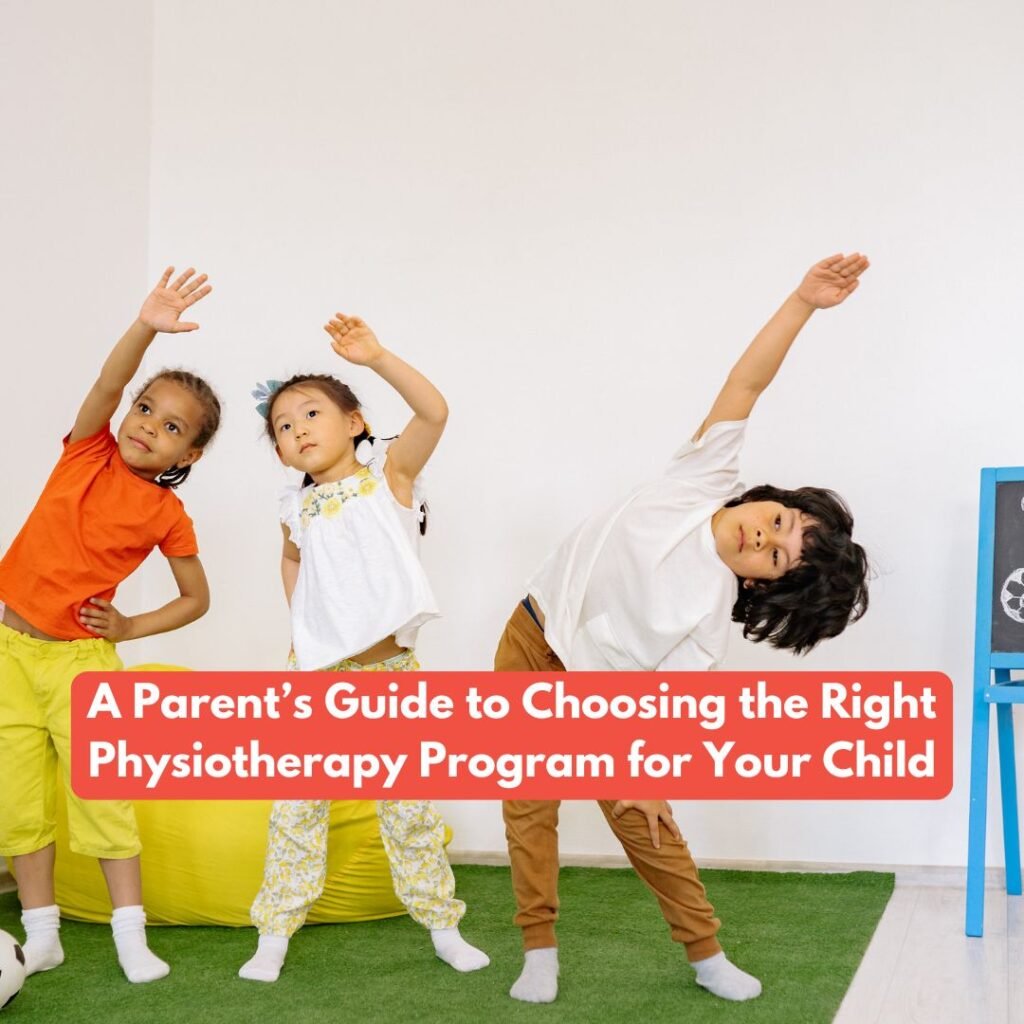
As parents, we all want our children to feel confident in their bodies — running, climbing, playing, and participating comfortably in everyday activities. But when movement seems more difficult than expected, it can be hard to know what kind of support is needed or where to begin.
You may notice your child:
- Frequently tripping or falling
- Struggling with balance or coordination
- Avoiding physical play
- Becoming tired more easily than other children
- Finding stairs, jumping, or running difficult
- Delayed in reaching gross motor milestones
When these challenges start affecting confidence, participation, or independence, physiotherapy support can make a meaningful difference.
But with different types of physiotherapy programs available, many parents ask:
“How do I know which program is right for my child?”
This guide will help you better understand what to look for when choosing the right physiotherapy support for your child’s needs.
What Does Paediatric Physiotherapy Help With?
Paediatric physiotherapy focuses on helping children improve movement, strength, coordination, balance, posture, and physical confidence.
A physiotherapist may support children with:
- Gross motor delays
- Balance and coordination challenges
- Low muscle tone or strength
- Core weakness
- Difficulties with posture or walking patterns
- Sports injuries or movement difficulties
- Neurological or developmental conditions
- Confidence in physical activities and participation
The goal is not simply improving movement — but helping children feel more confident and independent in everyday life.
Every Child Needs Different Support
Not all physiotherapy programs look the same because not all children have the same goals or challenges.
Some children benefit from:
✔ Individual therapy sessions
✔ Small group programs
✔ Intensive support blocks
✔ Play-based movement sessions
✔ School-readiness focused support
The right program depends on your child’s:
- Age and developmental stage
- Areas of difficulty
- Attention and regulation needs
- Confidence levels
- Learning style
- Current goals and routines
Signs Your Child May Benefit From Physiotherapy Support
While every child develops differently, some signs may indicate that additional support could help:
🔹 Frequent Tripping or Falling
Children who struggle with balance, coordination, or body awareness may appear “clumsy” more often than expected.
🔹 Difficulty Keeping Up With Peers
Some children avoid playground activities, sports, or climbing because movement feels harder or less coordinated.
🔹 Challenges With Stairs, Jumping, or Running
Gross motor skills develop gradually, but ongoing difficulty with these activities may benefit from assessment and support.
🔹 Poor Posture or Fatigue
Children with low muscle tone or reduced core strength may tire more easily or struggle to sit upright comfortably.
🔹 Reduced Confidence in Physical Activities
Sometimes the biggest impact is emotional — children may avoid participation because they feel unsure of their abilities.
What to Look for in a Physiotherapy Program
Choosing the right physiotherapy support is about more than just exercises.
Here are some important things to consider:
1. A Child-Centred Approach
Children learn best when they feel safe, engaged, and motivated.
The best physiotherapy programs are:
- Play-based and engaging
- Tailored to the child’s interests and goals
- Focused on building confidence, not pressure
Therapy should feel supportive — not overwhelming.
2. Functional, Real-Life Goals
Effective physiotherapy focuses on meaningful skills that help children in everyday life, such as:
- Climbing stairs independently
- Participating in playground activities
- Improving balance during sports
- Sitting comfortably during classroom tasks
- Developing confidence in movement
Progress is most valuable when it supports daily participation and independence.
3. Programs That Build Confidence
Movement challenges can affect more than physical skills — they can also impact self-esteem and social participation.
A good physiotherapy program helps children:
✔ Feel successful
✔ Celebrate small wins
✔ Build resilience
✔ Become more willing to try new challenges
Confidence often grows alongside physical progress.
4. Collaboration With Families
Parents play an important role in supporting progress outside therapy sessions.
Look for programs that:
- Provide regular feedback and updates
- Share home strategies and ideas
- Involve parents in goal setting
- Focus on consistency across environments
The best outcomes happen when therapists and families work together.
5. Therapy That Looks Beyond the Physical
Movement is connected to many other areas of development, including:
- Attention and focus
- Emotional regulation
- Sensory processing
- Social participation
- School readiness
A holistic approach helps children build skills more effectively across different settings.
Group Programs vs Individual Therapy
Many parents wonder whether their child would benefit more from individual physiotherapy or group-based support.
Individual Therapy
Often best for:
- Specific motor goals
- More intensive support needs
- Children needing targeted intervention
Group Programs
Often helpful for:
- Building confidence in movement
- Practicing skills socially
- Developing participation and independence
- Learning through play and interaction
Some children benefit from a combination of both.
The Importance of Early Support
One of the most common concerns parents have is:
“Should we wait and see?”
While every child develops at their own pace, early support can:
✔ Prevent difficulties from becoming more frustrating
✔ Build confidence earlier
✔ Improve participation in school and play
✔ Support long-term motor development
Seeking support early does not mean something is “wrong.” It simply means giving your child the tools they need to succeed.
Final Thoughts
Choosing the right physiotherapy program can feel overwhelming at first — but you don’t have to figure it out alone.
The right support should help your child:
- Feel confident
- Move comfortably
- Participate more fully
- Build independence over time
Most importantly, physiotherapy should help children feel capable, successful, and supported in their everyday world.
Need Guidance Choosing the Right Physiotherapy Support?
At KidsFirst, our physiotherapy team works closely with families to understand each child’s unique strengths, challenges, and goals.
If you have questions about your child’s movement, coordination, balance, or physical confidence, we’re here to help.
📩 Contact our team to learn more about our physiotherapy programs and how we can support your child’s development.