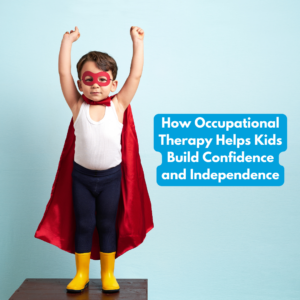
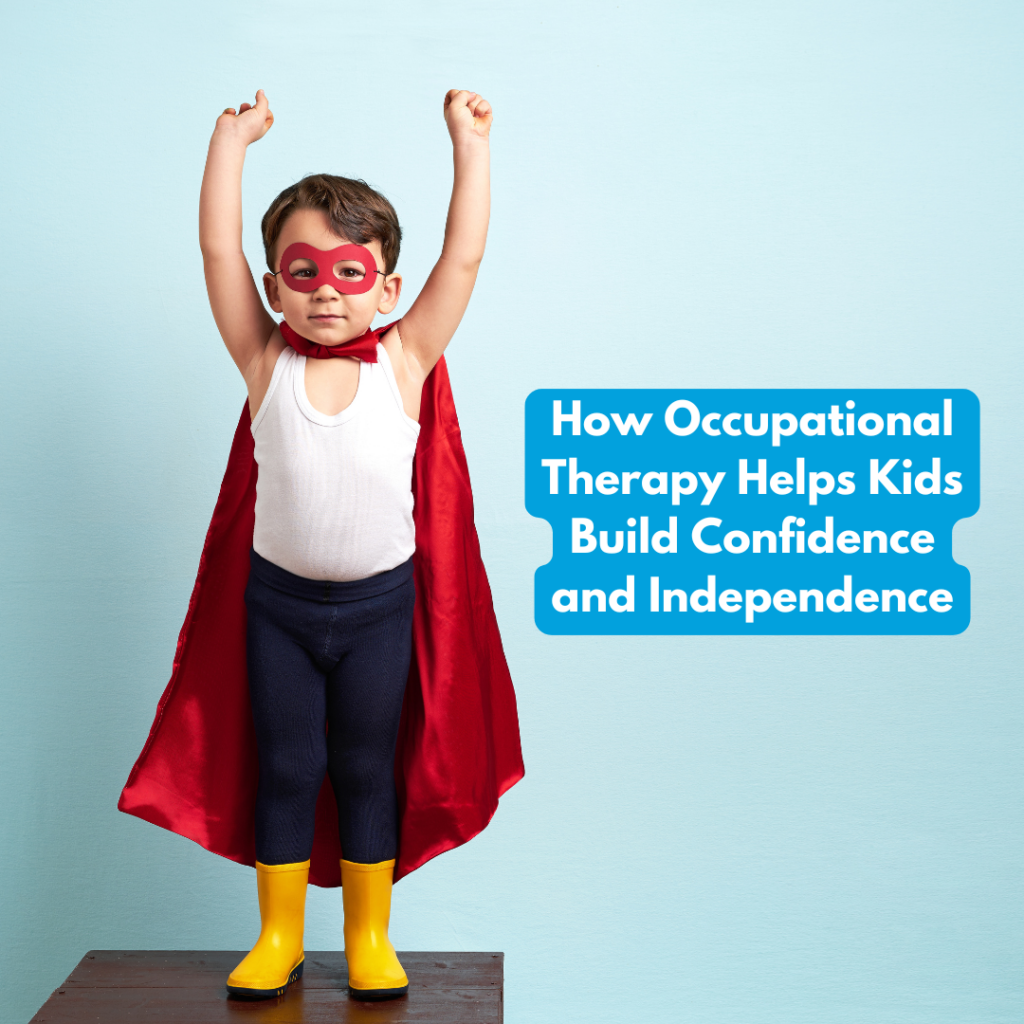
Every parent wants to see their child grow into a confident, independent individual. Whether it’s getting dressed without help, joining in with classmates, or trying something new, these everyday achievements play an important role in a child’s development.
For some children, however, these tasks can feel challenging. Difficulties with fine motor skills, sensory processing, emotional regulation, attention, or coordination can make everyday activities more difficult than they appear.
This is where Occupational Therapy (OT) can make a meaningful difference.
What Is Occupational Therapy?
Occupational Therapy helps children develop the skills they need to participate successfully in everyday life.
Rather than focusing on one specific skill, Occupational Therapists look at the whole child—considering their strengths, challenges, environment, and daily routines—to help them become more independent and confident.
Through fun, engaging, and child-centred activities, Occupational Therapy supports children in building the skills they need for home, school, and the community.
What Does Independence Look Like?
Independence isn’t about doing everything alone. It’s about giving children the skills and confidence to participate in daily activities as independently as possible.
Examples include:
- Dressing themselves
- Feeding themselves independently
- Packing and organising their school bag
- Managing personal care routines
- Completing classroom tasks
- Following routines
- Playing with peers
- Asking for help when needed
Every small success builds towards greater confidence.
How Occupational Therapy Builds Confidence
Confidence grows through success.
When children experience repeated frustration, they may begin avoiding tasks or believing they “can’t do it.”
Occupational Therapists carefully break larger tasks into smaller, achievable steps, allowing children to experience regular success along the way.
Instead of focusing only on what a child finds difficult, therapists celebrate progress and build on each child’s strengths.
As children master new skills, they often become more willing to try new challenges and participate in activities they may have previously avoided.
Everyday Skills Occupational Therapy Can Support
Fine Motor Skills
Fine motor skills involve the small muscles in the hands and fingers needed for activities such as:
- Holding a pencil
- Cutting with scissors
- Using utensils
- Buttoning clothing
- Building with blocks
- Manipulating small objects
Developing these skills helps children become more independent both at school and at home.
Self-Care Skills
Daily routines provide valuable opportunities for children to develop independence.
Occupational Therapy can support skills such as:
- Dressing
- Brushing teeth
- Toileting
- Washing hands
- Feeding
- Managing school belongings
Learning these skills often increases children’s confidence and reduces reliance on adults.
Sensory Processing
Some children become overwhelmed by sounds, textures, movement, or busy environments, while others seek extra sensory input throughout the day.
Occupational Therapists help children understand and manage their sensory needs through personalised strategies that improve participation in everyday activities.
When children feel more regulated, they are often better able to learn, play, and interact with others.
Emotional Regulation
Children experience many emotions each day, but not all children naturally know how to recognise, express, or manage those feelings.
Occupational Therapy can help children develop strategies to:
- Recognise emotions
- Manage frustration
- Cope with unexpected changes
- Transition between activities
- Recover after challenging situations
These skills support both independence and emotional wellbeing.
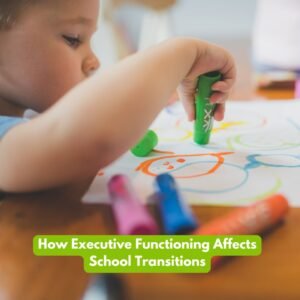
Executive Functioning
Executive functioning skills help children organise, plan, remember instructions, manage time, and complete tasks.
Occupational Therapists can support children in developing strategies to:
- Get started on tasks
- Stay focused
- Follow routines
- Organise materials
- Complete multi-step activities
These skills become increasingly important as children grow older and school expectations increase.
Learning Through Play
One of the most powerful aspects of Occupational Therapy is that children often learn without realising they’re learning.
Therapists use purposeful play to develop important life skills.
A game might help improve:
- Hand strength
- Turn-taking
- Problem-solving
- Attention
- Coordination
- Emotional regulation
- Flexible thinking
Children stay engaged because the activities are fun, while therapists carefully target meaningful developmental goals.
Partnering with Families
Occupational Therapy doesn’t stop when a session ends.
Therapists work closely with parents and caregivers to provide practical strategies that can be incorporated into everyday routines at home and school.
This collaborative approach helps children practise their skills across different environments and supports long-term progress.
When Might Occupational Therapy Help?
You may wish to speak with an Occupational Therapist if your child:
- Finds dressing or feeding difficult
- Struggles with handwriting or using scissors
- Has difficulty following routines
- Avoids certain textures or sensory experiences
- Becomes easily overwhelmed
- Has trouble focusing or completing tasks
- Struggles with emotional regulation
- Needs support with independence at home or school
Early support can make a significant difference in helping children build the skills they need for everyday success.
Final Thoughts
Every child develops at their own pace, and every milestone—big or small—is worth celebrating.
Occupational Therapy is about much more than improving specific skills. It’s about helping children gain the confidence to try, the resilience to keep going, and the independence to participate more fully in everyday life.
With the right support, encouragement, and opportunities to practise, children can continue building the confidence and life skills they need to thrive—at home, at school, and beyond.
If you’d like to learn more about how Occupational Therapy can support your child’s development, the KidsFirst team is here to help. Together, we can create a personalised plan that empowers your child to grow in confidence, independence, and everyday success.