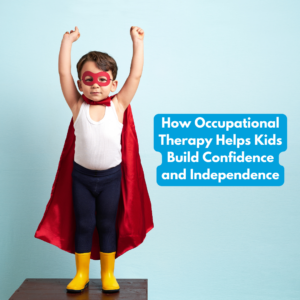

Empowering children to feel capable, confident, and proud of themselves starts long before primary school.
Developing independence and self-esteem are two of the most important foundations in early childhood development — and they grow through everyday routines, relationships, and meaningful opportunities.
Whether your child is developing typically or needs extra support, small intentional steps can help them thrive emotionally, socially, and academically.
In this article, we’ll explore why independence matters, how it connects to confidence, and practical strategies parents can use at home.
Why Independence Matters in Early Childhood
Independence isn’t just about doing things alone. For young children, independence means:
- Trying new tasks
- Making simple choices
- Learning responsibility
- Developing problem-solving skills
- Building resilience after small mistakes
As children successfully complete tasks, their brains form positive associations like:
“I can do hard things.”
“I can try again.”
“I am capable.”
These experiences directly build self-esteem — the belief in their own abilities.
How Self-Esteem Develops in Children
Self-esteem grows through:
1. Success in everyday tasks
When a child puts on their shoes, sets the table, or packs their bag, they experience achievement.
2. Encouragement and emotional safety
Children need adults who celebrate effort, not perfection.
3. Opportunities to make choices
Choosing between two snacks or two shirts teaches decision-making and confidence.
4. Predictable routines
Routines provide a sense of control — which positively impacts both independence and emotional regulation.
8 Practical Ways to Foster Independence and Confidence
1. Create child-friendly routines
Children thrive when they know what comes next.
Try:
- Morning checklist
- Visual schedule
- Picture-based routine card
Predictability makes it easier for children to complete tasks independently.
2. Break tasks into small, achievable steps
Instead of saying “Get ready,” try:
- “Put on your socks.”
- “Now your shoes.”
- “Great! Take your bag.”
Success builds confidence.
3. Offer choices — but keep them simple
Choice empowers children. Examples:
- “Red cup or blue cup?”
- “Do you want to read first or brush teeth first?”
This builds decision-making without overwhelming them.
4. Encourage problem-solving
Instead of fixing problems immediately, try asking:
- “What could you try?”
- “How can we solve this together?”
- “What do you think will work?”
This supports cognitive development and resilience.
5. Use positive language
Shift from:
❌ “No, not like that.”
to
✅ “Let’s try it this way together.”
Confidence grows when children feel safe to make mistakes.
6. Provide tools that support independence
Some examples:
- Step stool
- Velcro shoes
- Easy-to-open containers
- Visual timers
- Labelled toy bins
Small environmental changes make tasks easier and support success.
7. Celebrate effort, not perfection
Children need to hear:
- “You tried so hard!”
- “Look what you did!”
- “You didn’t give up!”
Effort-based praise strengthens perseverance and self-esteem.
8. Model self-confidence
Children mirror adult behaviour.
When they hear you say:
- “I can try again.”
- “I’m learning too.”
They internalize that growth is a normal (and positive) part of life.
When to Seek Additional Support
Some children may need extra help building independence or confidence — and that’s completely okay.
Consider reaching out to an Occupational Therapist (OT) if you notice:
- Difficulty with dressing, feeding, or daily routines
- Low confidence or frustration during tasks
- Sensory sensitivities that impact independence
- Trouble following simple instructions
- Emotional meltdowns when transitioning
Early support can make a meaningful difference in a child’s ability to thrive independently.
Final Thoughts
Fostering independence and self-esteem isn’t about expecting children to do everything alone — it’s about giving them opportunities to try, explore, and feel proud of their progress.
With consistent encouragement, structured routines, and the right support, every child can grow into a more confident, capable version of themselves.
If your child needs help developing independence, daily living skills, or emotional regulation, the KidsFirst team is here to support your family every step of the way.
Visit our website to learn more or book a school visit today.